

Real Estate Market Updates
We provide you with concise, easy-to-understand summaries of the monthly statistics published by the Toronto Regional Real Estate Board.
Our Real Estate Market Updates focus on the key information that matters most to downsizers, breaking down complex data into digestible insights relevant to your unique situation. We highlight important trends, market shifts, and opportunities that could impact your downsizing journey, ensuring you're well-informed every step of the way.
Be sure to check back monthly for the most up-to-date information, empowering you to make confident decisions in Toronto's dynamic real estate market.ithUs

A GTA Market Update - October 2026
The GTA housing market remained buyer-friendly in September, with fewer sales and plenty of available inventory keeping pressure on sellers. At the same time, the average sale price edged up from August, and new listings dropped considerably, suggesting the market may be starting to absorb some of the excess supply.
For now, buyers continue to benefit from choice, time and negotiating power, while sellers need to be realistic about pricing and prepared to compete for attention.
The numbers
Average sale price: $1,006,409
↑ 1.3% from August 2026
↓ 5.1% from September 2025Number of homes sold: 5,040
↓ 0.3% from August
↓ 9.0% year-over-yearNew listings: 16,500
↑ 36.7% from August
↓ 14.4% year-over-yearActive listings: 26,131
↑ 6.7% from August
↓ 9.3% year-over-yearAverage days on market: 34 days
↓ from 35 days in August
↑ from 33 days last September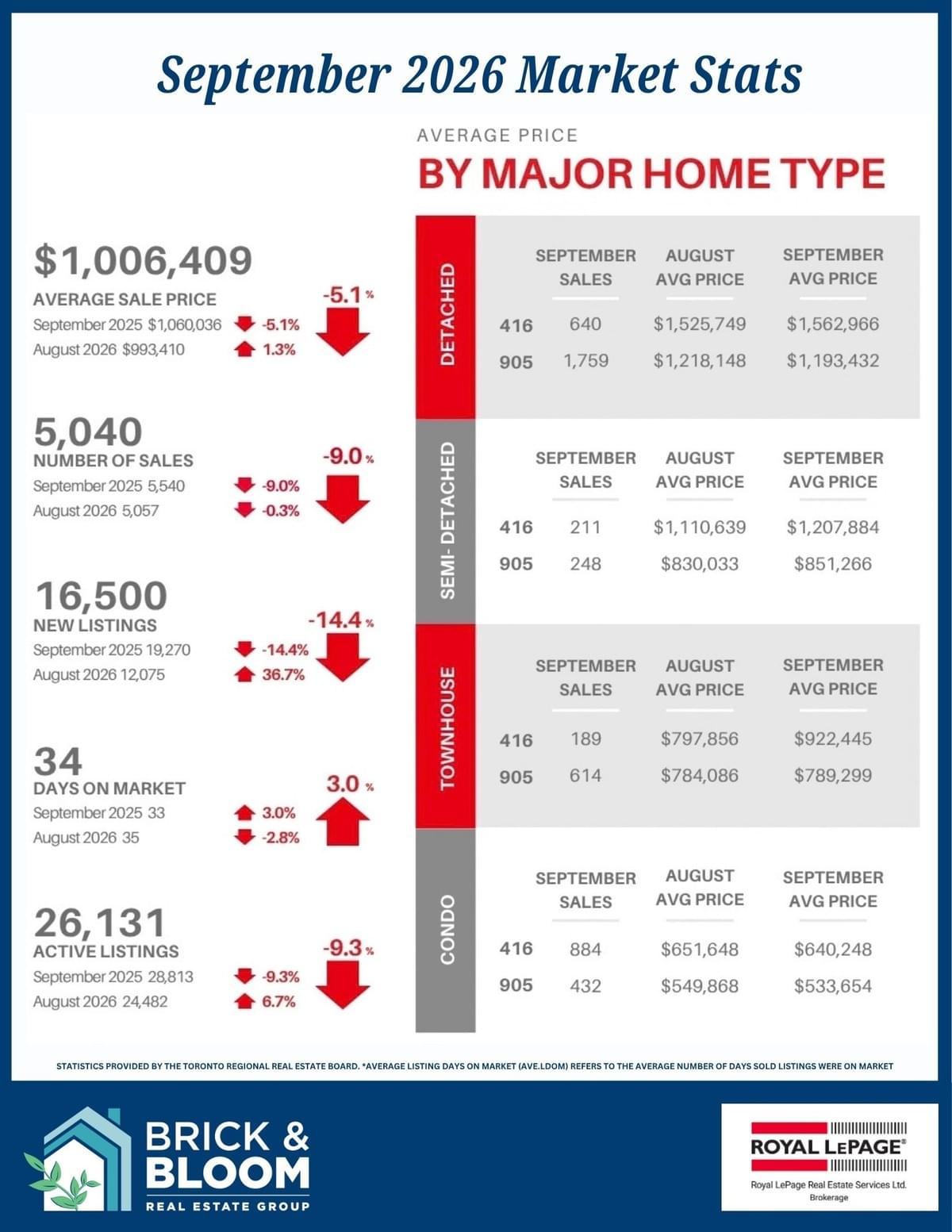
What does this mean for buyers?
This remains a market where buyers can generally take their time, compare options and negotiate. There is substantial inventory available, and with sales below last year's level, buyers don't necessarily have to compete aggressively for every property.
That doesn't mean every property is negotiable. Well-priced homes in desirable locations can still attract strong interest. But overall, buyers have more leverage over price, conditions, closing dates and other terms than they would in a tighter market.
What does this mean for sellers?
Sellers are competing not only on price, but also on condition, presentation and perceived value. With more than 26,000 active listings across the GTA, buyers have alternatives—and properties that are overpriced or poorly presented can easily be passed over.
The good news is that inventory has come down from last September, and September saw substantially fewer new listings than a year ago. If that trend continues, competition among sellers could begin to ease. For now, however, accurate pricing from the outset remains critical.
What it means for the people we work with:
Downsizers:
This can actually be a favourable market for someone selling a longtime home and purchasing a condo or smaller property. Detached homes continue to command significantly higher prices than condos, while condo buyers have considerable choice. That can create an opportunity to sell one asset and negotiate more aggressively on the next purchase. The challenge is coordinating the two transactions carefully rather than assuming the sale will happen quickly.
First-time homebuyers:
The current condo market offers one of the clearest opportunities. Average September condo prices were $640,248 in the 416 and $533,654 in the 905, both below August levels. With significant inventory and less urgency, first-time buyers can compare buildings, review status certificates carefully and negotiate rather than feeling pressured to simply secure a property.
Upsizers:
Buyers moving from a condo or townhouse into a larger home face an interesting trade-off. They may have to accept today's softer market when selling their existing property, but they also gain negotiating power on the more expensive home they're purchasing. For many upsizers, the price difference between the sale and purchase matters more than either price in isolation.
Investors:
This is a market for careful selection rather than speculation. Softer prices and increased negotiating power can create opportunities, particularly in the condo market, but a lower purchase price alone doesn't make a property a good investment. Maintenance fees, property taxes, financing costs, achievable rent, building finances and future resale potential all need to work. Buyers who are well-capitalized and focused on long-term fundamentals may find opportunities that weren't available in a hotter market.
September wasn't simply "more inventory."
Active inventory was up 6.7% from August, but it was actually 9.3% lower than September 2025, while new listings were down 14.4% year-over-year. That's an important distinction because it suggests a buyer's market that may be slowly working through its excess supply rather than one in which inventory is continuing to balloon.
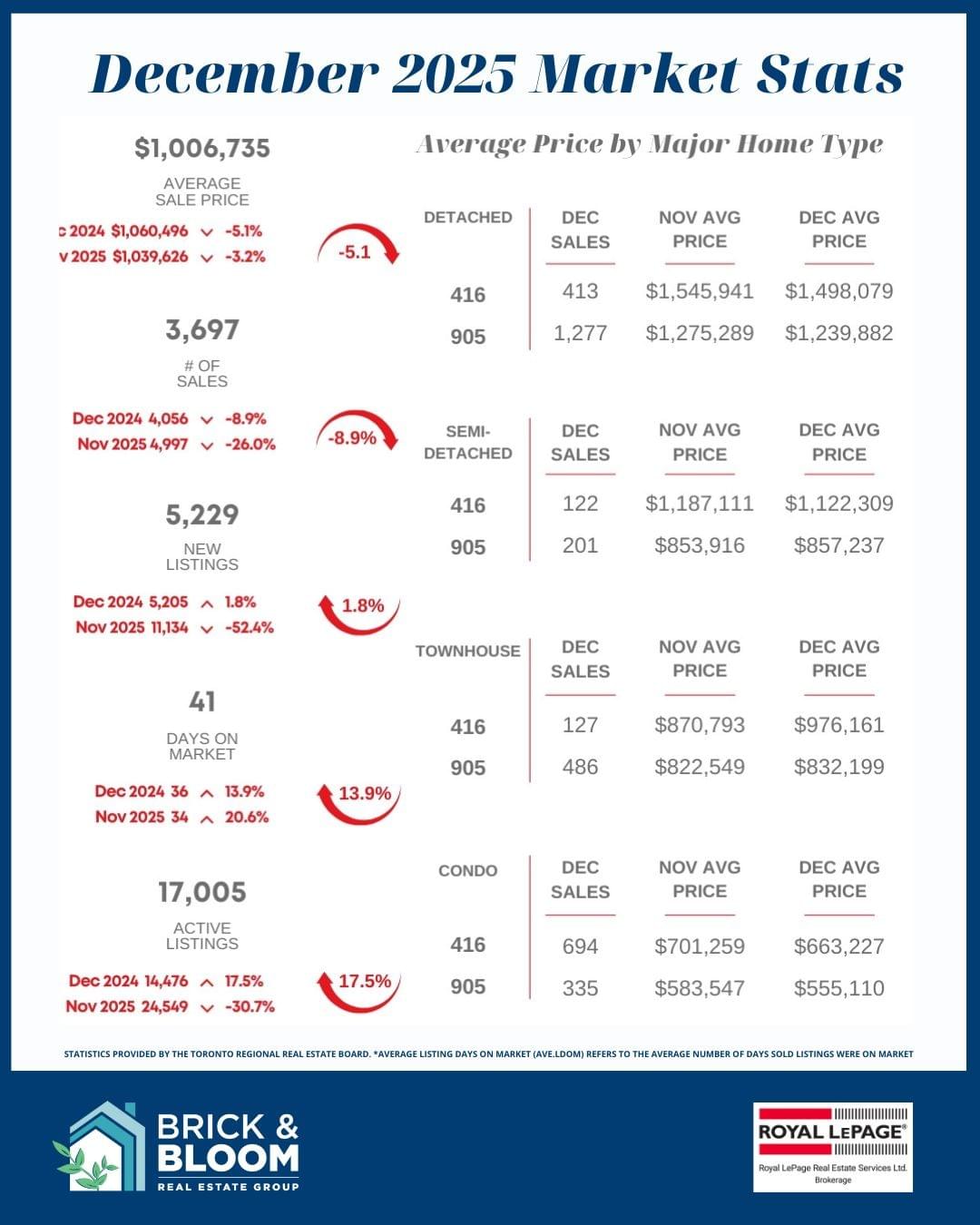
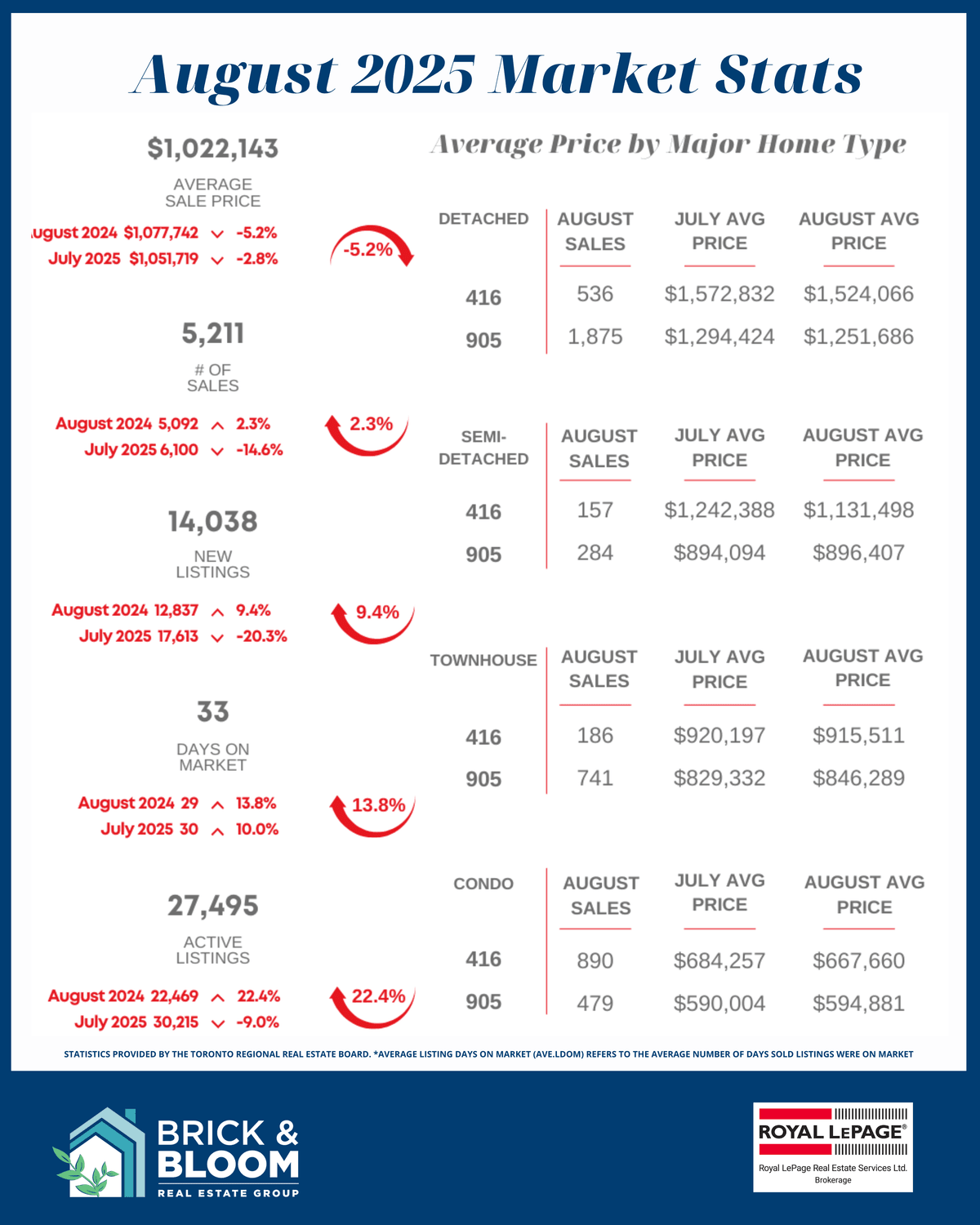
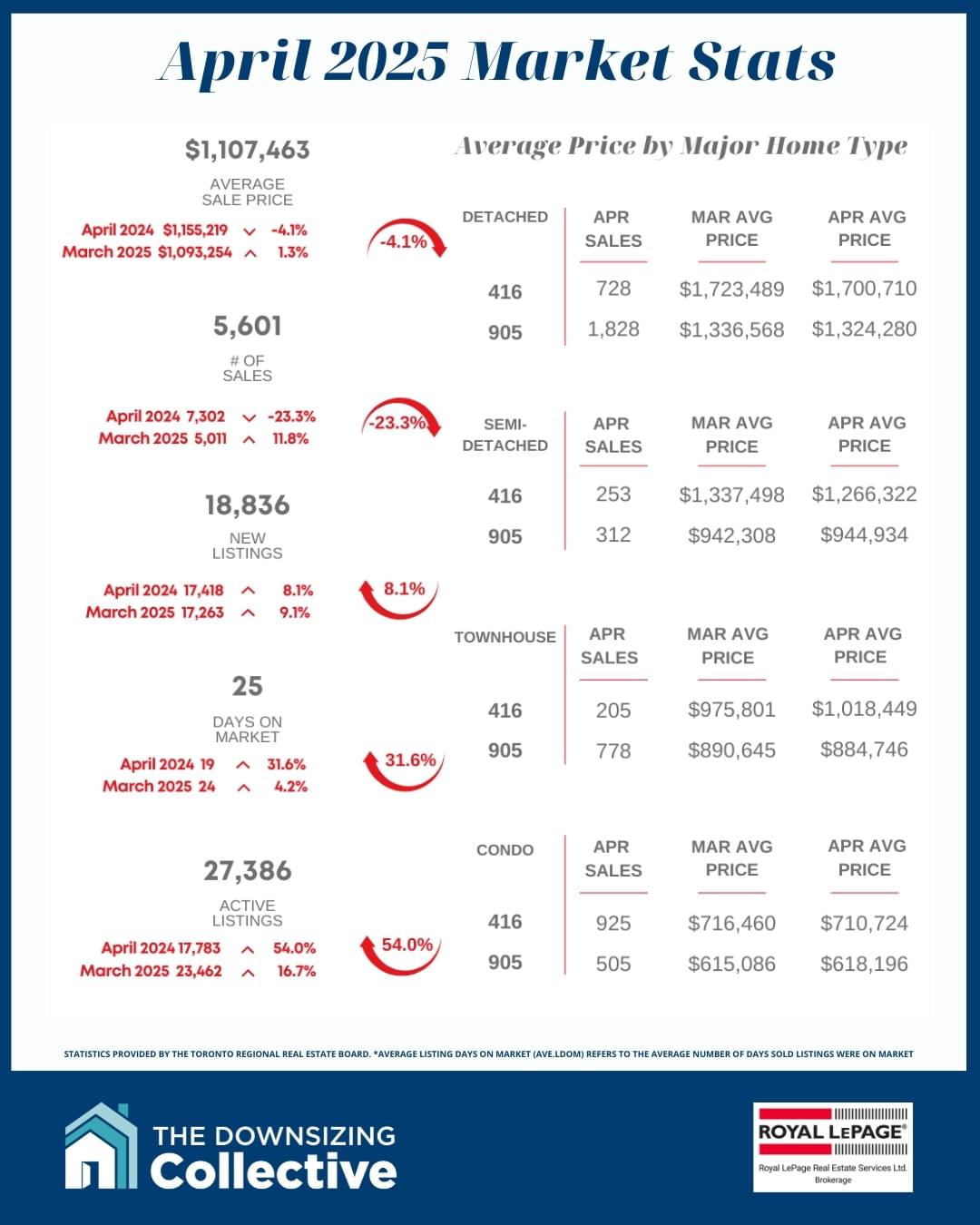
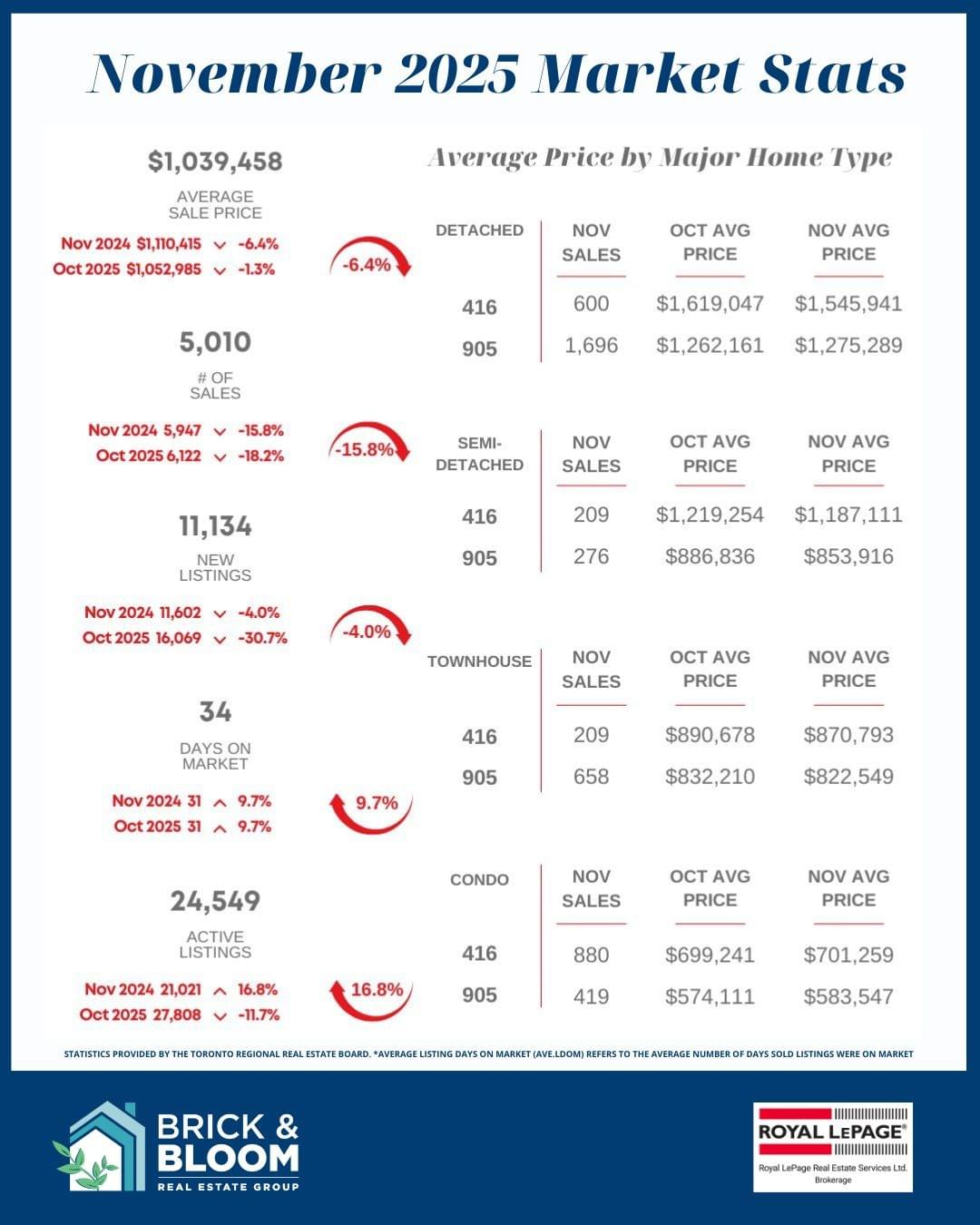
2026

2025

2024


